Dance has always carried meaning beyond movement. Long before written language existed, human beings used rhythm and gesture to express what words could not. From ceremonial rituals in ancient cultures to contemporary performances on global stages, dance has consistently served as a vehicle for storytelling, emotion, and shared human experience.
A language without words
At its core, dance communicates through the body. A slow, weighted movement can convey grief just as clearly as a spoken eulogy. A rapid, explosive sequence might express joy, fury, or defiance — sometimes all at once. This is what makes dance so extraordinary: its meaning is felt before it is understood. The audience does not need to analyse choreography to receive its message. They simply watch, and something resonates.
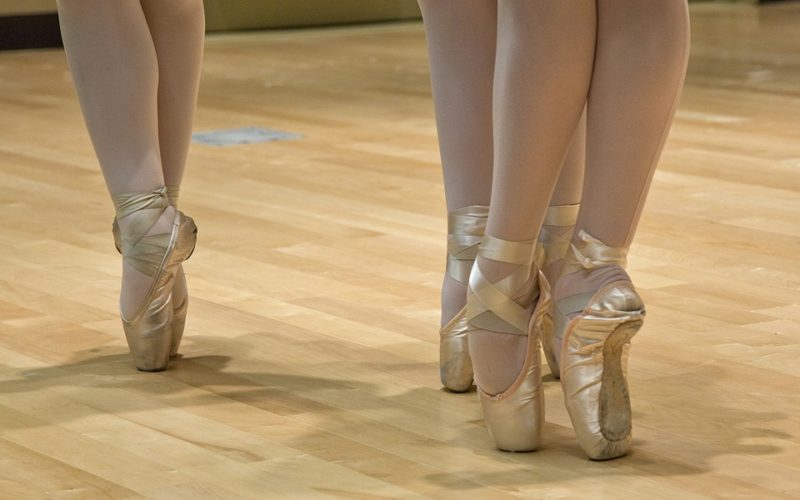
Different styles of dance carry distinct cultural narratives. Classical ballet in the 19th century told stories of romance, tragedy, and the supernatural. West African dance traditions honour ancestry and community bonds. Flamenco speaks of passion and suffering. Each form is shaped by the society that created it, embedding values, histories, and identities into every step.
Dance as protest and resistance
Throughout history, dance has also been a form of resistance. When oppressed communities were denied other means of expression, they turned to movement. The capoeira tradition in Brazil developed as a way for enslaved Africans to practise martial arts under the guise of dance. In the 20th century, protest movements across the world used communal dancing to assert solidarity and cultural pride.
Contemporary choreographers continue this tradition. Artists like Alvin Ailey used modern dance to confront racial injustice and celebrate Black identity in America. His landmark work, Revelations, remains a powerful example of how choreography can carry a social message that endures across generations. Dance, in this sense, is never simply entertainment — it is testimony.
Personal expression and emotional truth
On a more intimate level, dance allows individuals to express what they cannot otherwise articulate. Grief, love, confusion, and elation all find form through movement. This is partly why dance therapy has grown as a recognised practice in mental health care, helping people process trauma and emotion through the body rather than through conversation alone.
The message of dance is not always fixed or intended. A single performance can mean different things to different audience members, shaped by their own memories, culture, and emotional state. This openness is not a weakness — it is one of dance's greatest strengths. It invites interpretation rather than demanding agreement.
Movement that endures
What dance communicates is ultimately something deeply human: the need to be seen, to connect, and to make meaning out of experience. Across every culture and every era, people have moved their bodies to say something that words alone could not carry. That impulse has not changed. The forms evolve, the contexts shift, but the fundamental message remains — that movement itself is a form of truth.